
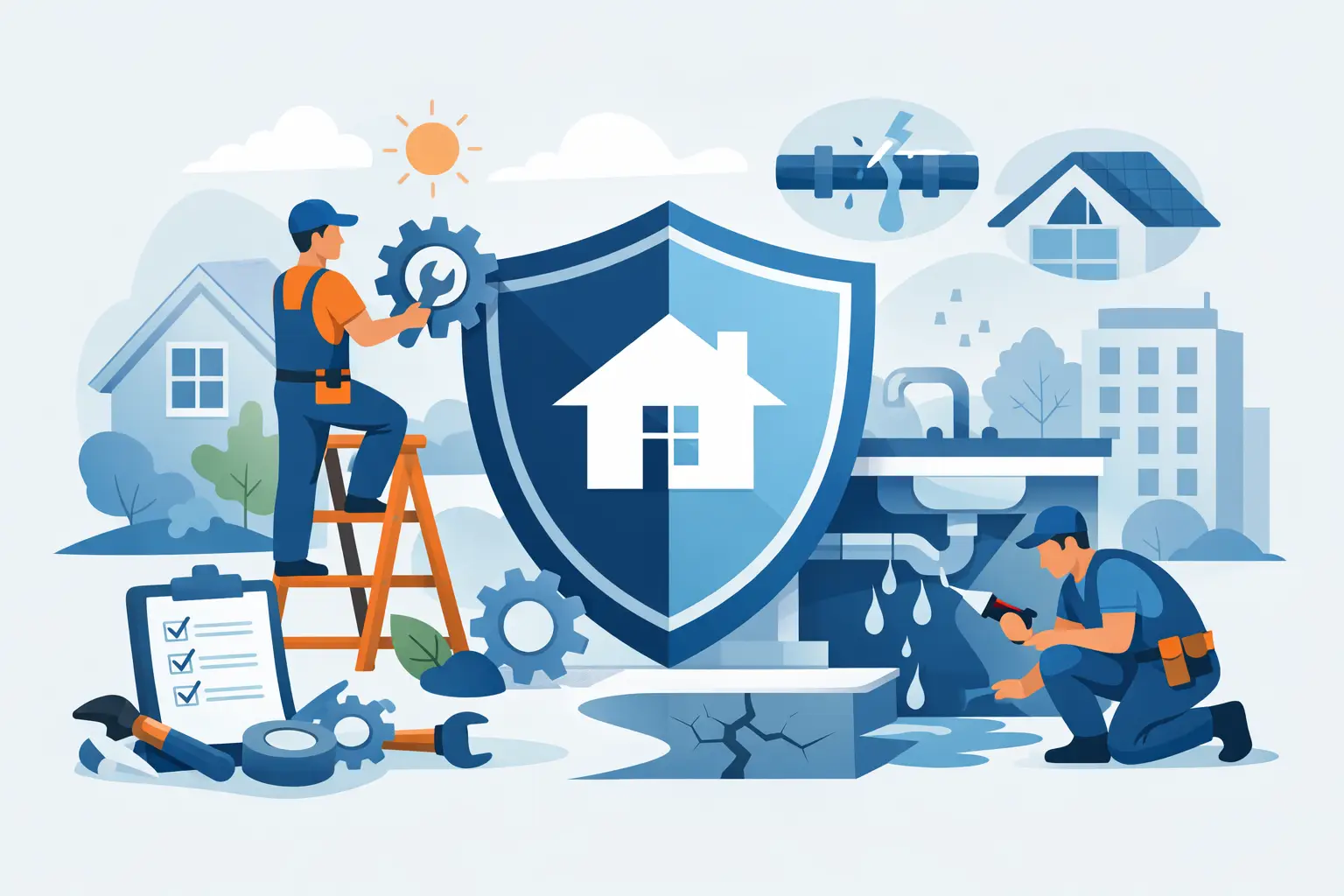
A leaking pipe beneath a kitchen sink, an AC unit that stops cooling on a hot afternoon, or a breaker that trips repeatedly can turn a normal day into an expensive disruption. Effective property maintenance is not about waiting for something to fail. It is a practical plan for protecting comfort, safety, and the long-term condition of your home, rental property, office, or retail space.
For UAE property owners and occupants, preventive care matters even more. High temperatures place constant pressure on cooling systems, dust can affect AC performance and indoor air quality, and small plumbing or electrical concerns can develop quickly when left unaddressed. A dependable maintenance partner helps keep these issues manageable before they interrupt your routine.
What Property Maintenance Covers
Property maintenance includes the routine inspections, repairs, cleaning, and improvements needed to keep a building functional, safe, and presentable. It can be as simple as repairing a dripping faucet or as involved as servicing multiple AC units, cleaning ductwork, repainting interiors, and updating electrical fixtures across a commercial space.
The right scope depends on the property. A tenant may need prompt help with a blocked drain or faulty light switch. A villa owner may require seasonal AC servicing, roof or exterior checks, carpentry repairs, and deep cleaning. A facilities manager may need a coordinated schedule that reduces disruption to staff, customers, and daily operations.
The advantage of an integrated service provider is coordination. Rather than arranging separate technicians for cooling, plumbing, electrical, cleaning, and general repairs, customers can work with one team that understands the property and can prioritize the work clearly.
The Maintenance Tasks That Should Not Wait
Some problems are inconvenient. Others can threaten safety, cause property damage, or lead to higher repair costs. Knowing the difference helps you respond appropriately.
Electrical faults deserve quick professional attention. Flickering lights, hot outlets, burning smells, exposed wiring, repeated breaker trips, or power loss in part of a property should never be treated as minor DIY jobs. The cause may be an overloaded circuit, damaged component, loose connection, or a larger installation issue. A qualified technician can diagnose the source safely and recommend the correct repair.
Plumbing leaks are another priority. Even a slow leak can damage cabinets, flooring, walls, and neighboring units. Watch for unexplained water marks, a persistent damp smell, reduced water pressure, unusually high water bills, or water pooling around fixtures. Fast repairs limit damage, while routine checks can catch worn seals, corroded fittings, and drainage concerns early.
AC problems should also be addressed promptly, especially during periods of extreme heat. Weak airflow, warm air, unusual noises, water dripping from an indoor unit, unpleasant odors, or rising energy use can indicate a blocked filter, drainage problem, electrical fault, refrigerant concern, or component failure. Continuing to run a struggling system may increase wear and reduce its service life.
For urgent AC, plumbing, and electrical failures, 24/7 emergency support can make a meaningful difference. The goal is not simply to restore the service quickly, but to make the area safe and prevent a small incident from becoming a larger repair.
A Practical Property Maintenance Schedule
A well-maintained property does not require constant work. It requires timely work. The most useful schedule combines regular visual checks with professional servicing based on equipment condition, property usage, and manufacturer recommendations.
Monthly checks for everyday protection
Take a few minutes each month to look for changes. Test smoke alarms where installed, check under sinks for moisture, inspect visible grout and sealant around bathrooms, and make sure drains are clearing normally. Notice whether doors stick, cabinet hinges loosen, lights flicker, or paint begins to peel in humid areas.
For occupied homes and offices, cleanliness is part of maintenance rather than a separate concern. Routine cleaning prevents dust accumulation, helps identify leaks or pest activity, and keeps shared spaces comfortable. In high-use kitchens, bathrooms, retail areas, and workspaces, deeper cleaning may be needed more frequently.
Seasonal servicing for systems under pressure
AC maintenance is a key seasonal task in the UAE. Professional servicing can include filter cleaning or replacement, coil inspection, drain line checks, electrical testing, airflow assessment, and performance evaluation. Duct cleaning may also be appropriate where dust buildup, odors, reduced airflow, or indoor air quality concerns are present.
Seasonal attention should also include plumbing and electrical reviews, particularly for older properties or heavily used commercial spaces. Checking water heaters, pumps, fixtures, distribution boards, outlets, and external lighting can prevent surprises during busy periods.
Annual planning for long-term value
An annual review gives owners and property managers a clearer picture of upcoming work. This is the right time to assess paint condition, carpentry wear, aging fixtures, damaged silicone, recurring drainage issues, and equipment that may be approaching the end of its useful life.
Planning repairs before they become urgent gives you more control over timing and budget. For example, repainting a scuffed apartment between tenants is easier than arranging work after move-in. Replacing a failing tap or worn door closer during a planned visit is often more cost-effective than making an emergency call later.
Preventive Maintenance Versus Repairs
Repairs are necessary when something breaks. Preventive maintenance is designed to reduce how often that happens. Neither approach eliminates the other, but relying only on reactive repairs usually costs more over time.
A neglected AC system may need an emergency repair when cooling demand is highest. A pipe that was slowly leaking may require cabinet replacement as well as plumbing work. A loose electrical connection can become a safety issue. Preventive inspections create opportunities to correct these conditions while they are still limited in scope.
That said, not every minor mark or sound needs an immediate major project. Good maintenance is based on sensible priorities. A qualified technician should explain what requires urgent action, what should be scheduled soon, and what can be monitored. Clear communication and transparent pricing allow customers to make informed decisions without unnecessary work.
Why Annual Maintenance Contracts Make Sense
For busy homeowners, landlords, and business operators, the hardest part of maintenance is often coordination. Different vendors, separate appointments, incomplete records, and recurring call-outs take time away from more important responsibilities.
An annual maintenance contract can simplify that process by placing routine services and priority support within one ongoing relationship. The exact coverage should match the property and its needs. A small apartment may need periodic AC, plumbing, electrical, and handyman support, while a villa or commercial site may require broader inspections, cleaning, carpentry, painting, and scheduled servicing.
The value is not only financial. Regular visits create familiarity with the property, making it easier to spot recurring concerns and maintain service history. Contracts can also help landlords prepare units between tenancies and help office managers reduce avoidable disruption during working hours.
Before choosing a plan, ask what is included, how emergency call-outs are handled, whether materials are separate, what response times apply, and how findings are documented. The lowest upfront price is not always the best choice if it excludes essential servicing or leaves unclear responsibilities when a serious issue occurs.
Choosing the Right Maintenance Team
Property maintenance affects systems that people depend on every day, so qualifications and service standards matter. Look for a provider with trained technicians across the trades you need, clear pricing communication, reliable scheduling, and the ability to handle both routine visits and urgent problems.
It is also worth asking how the team approaches diagnosis. A quality provider does more than replace a visible part. Technicians should identify the underlying cause, explain the recommended work in straightforward terms, protect the work area, and test the repair before leaving.
For properties that need multiple services, one accountable point of contact is especially valuable. Dynafix Technical Services LLC supports residential and commercial customers with AC, electrical, plumbing, cleaning, painting, carpentry, smart home, and general handyman services, helping reduce the effort of managing separate vendors.
Maintain the Property Before It Demands Attention
The best time to arrange maintenance is when there is no emergency and you have options. Keep an eye on small changes, schedule professional servicing for essential systems, and record recurring issues rather than treating each one as an isolated event. A well-maintained property stays more comfortable for the people using it and better protected for the person responsible for it.