
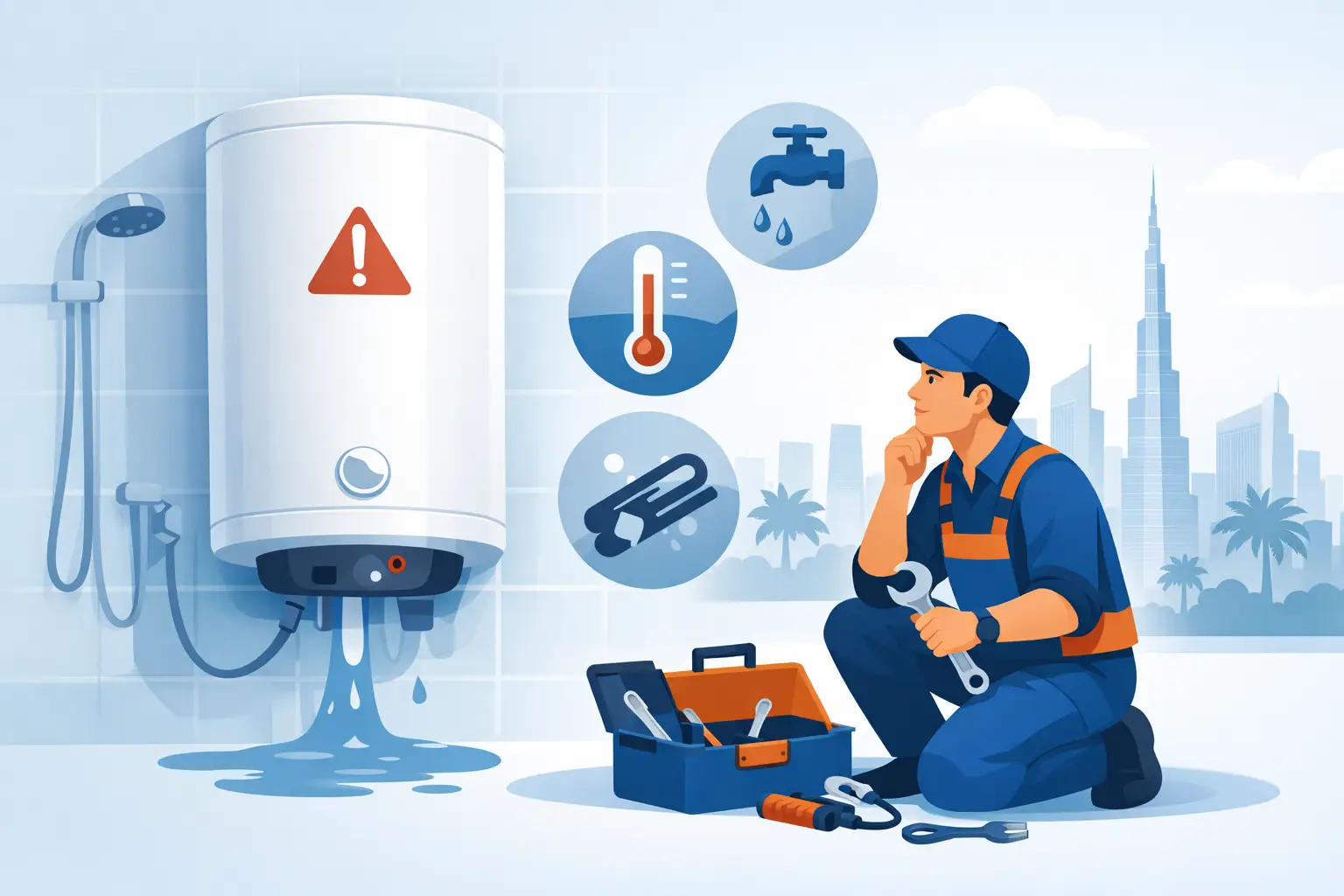
A cold shower before work is more than an inconvenience, especially when hot water is part of your daily routine at home, in a hotel, or at a busy workplace. Prompt water heater repair Dubai service can prevent a minor temperature issue, leak, or electrical fault from becoming property damage, higher utility costs, or a complete breakdown.
Water heaters work quietly in the background until they do not. Whether your property uses an electric storage tank, an instant heater, or a central hot-water system, changes in water temperature, pressure, color, or noise deserve attention. A qualified technician can identify the real cause and recommend a repair that supports safety, comfort, and the expected life of the equipment.
When Water Heater Repair Dubai Is Needed
The most obvious sign is no hot water at all. However, the problem is not always the heater itself. A tripped circuit breaker, faulty isolator switch, damaged thermostat, failed heating element, or loose electrical connection can all stop a unit from heating. For central systems, a circulation issue or control fault may be involved instead.
Inconsistent water temperature is another common concern. If water starts hot but quickly turns cold, the heating element may be underperforming, the thermostat may be inaccurate, or sediment may be reducing the tank’s usable capacity. In a multi-bathroom villa or commercial property, demand can also exceed the size or recovery rate of the installed system. The right solution depends on the diagnosis, not just on replacing a part.
Leaks Should Never Be Ignored
Water around the heater, on a ceiling below it, or inside a service cupboard needs urgent assessment. Small leaks can come from a valve, pipe joint, pressure-relief component, or corroded connection. These are often repairable when handled early.
A leak from the tank body itself is more serious. Internal corrosion can weaken a storage tank over time, particularly where maintenance has been missed or water quality affects the system. Patching a failing tank is rarely a reliable long-term answer. In that case, replacement is usually safer and more cost-effective than repeated call-outs.
Unusual Sounds, Smells, or Discolored Water
Popping, rumbling, or banging sounds from a storage heater can point to mineral buildup at the bottom of the tank. Sediment forces the heater to work harder and may reduce efficiency. A technician can inspect the condition of the unit, determine whether flushing is appropriate, and check whether the heating elements have been affected.
Rust-colored water may indicate corrosion in the tank, pipes, or fittings. A burning smell, scorch marks, repeatedly tripped breakers, or buzzing around an electric heater require immediate attention. Turn off the unit if it is safe to do so and arrange professional support. Electrical work and water do not leave room for guesswork.
Safe Steps Before a Technician Arrives
Property owners and occupants can take a few sensible actions while waiting for help. Do not remove access covers, attempt to test live wiring, or adjust safety valves without the right knowledge and tools.
- Turn off electrical power at the dedicated breaker or isolator if there is a leak, burning smell, sparking, or electrical concern.
- Close the water supply valve to the heater if water is actively leaking from the unit or its connected pipework.
- Keep people away from wet areas near electrical outlets, switches, or exposed wiring.
- Take clear photos of the unit, visible leak, model label, and any error display if this can be done safely.
If the water heater is installed above a false ceiling or in a location where leakage could spread to other rooms, acting quickly can limit damage to ceilings, finishes, furniture, and electrical systems. Emergency support is particularly valuable when a leak is ongoing or a commercial site cannot operate without reliable hot water.
What Professional Water Heater Repair Involves
A dependable repair starts with inspection, not assumptions. The technician should confirm the heater type, age, capacity, electrical load, installation condition, and symptoms reported by the customer. They should also inspect the supply lines, valves, pressure-relief components, electrical connections, and surrounding area for signs of damage.
For an electric storage heater, testing may include the thermostat, high-limit safety control, heating elements, wiring terminals, and insulation resistance. For instant heaters, the technician may assess flow rate, sensors, internal controls, and whether the unit is correctly sized for the fixture it serves. A heater can appear faulty when the actual issue is inadequate water pressure, a failing mixer valve, or an electrical supply problem.
Clear communication matters at this stage. You should understand what failed, why it failed, the recommended repair, and whether replacement is likely to offer better value. Transparent pricing helps customers make a practical decision before work begins, particularly when parts, access requirements, or associated plumbing repairs affect the scope.
Repair or Replacement: Making the Right Call
Replacing a heater is not automatically necessary because it has stopped working. A relatively new unit with a failed element, thermostat, switch, or valve may be repaired efficiently. This is often the best option when the tank is sound and the repair will restore reliable performance.
Replacement becomes more sensible when the tank is corroded, leaks from its body, has recurring faults, or is no longer suitable for the property’s demand. An undersized heater may leave a family waiting between showers, while an oversized system can waste energy. Commercial facilities may also need a system designed for higher usage, faster recovery, or multiple outlets.
Installation quality is as important as the equipment selected. The replacement unit must be properly mounted, connected, protected electrically, and fitted with the correct valves and safety components. Technicians should also confirm that the location allows practical future access for servicing. Choosing a lower-cost unit without considering capacity, warranty, and installation conditions can create avoidable expense later.
Maintenance That Helps Avoid Sudden Failures
Most water heater problems give early warnings. Regular maintenance can catch loose wiring, minor leaks, deteriorating valves, and sediment buildup before hot water disappears completely. This is especially useful in rental properties, villas with several bathrooms, offices with pantries, salons, restaurants, and any site where hot water availability affects daily operations.
A planned visit can include a visual inspection of the tank and connections, checks of electrical components and controls, review of water temperature, and assessment of the pressure-relief system. The exact maintenance schedule depends on the heater type, age, usage level, water conditions, and manufacturer guidance. High-use systems need closer attention than a lightly used guest bathroom heater.
For landlords and property managers, preventive maintenance also reduces disruption between tenants and helps protect the condition of the property. Combining plumbing, electrical, AC, and general maintenance under an annual service arrangement can make it easier to address small issues before they become urgent repairs.
Choosing a Service Partner You Can Rely On
Water heater repairs sit at the point where plumbing and electrical safety meet. Choose technicians who are qualified to assess both sides of the job, explain the work clearly, and use appropriate replacement parts. A rushed repair that overlooks a pressure issue, damaged cable, or corroded fitting may only postpone the next failure.
Dynafix Technical Services LLC provides practical support for residential and commercial maintenance needs, including urgent plumbing and electrical concerns. An experienced multi-trade team can help when a water heater issue involves connected pipework, electrical isolation, ceiling damage, or other property maintenance requirements that should be addressed together.
Hot water should be dependable, not something you have to plan around. At the first sign of a leak, unstable temperature, unusual noise, or electrical fault, arrange a professional inspection and protect your comfort, safety, and property from a larger problem.